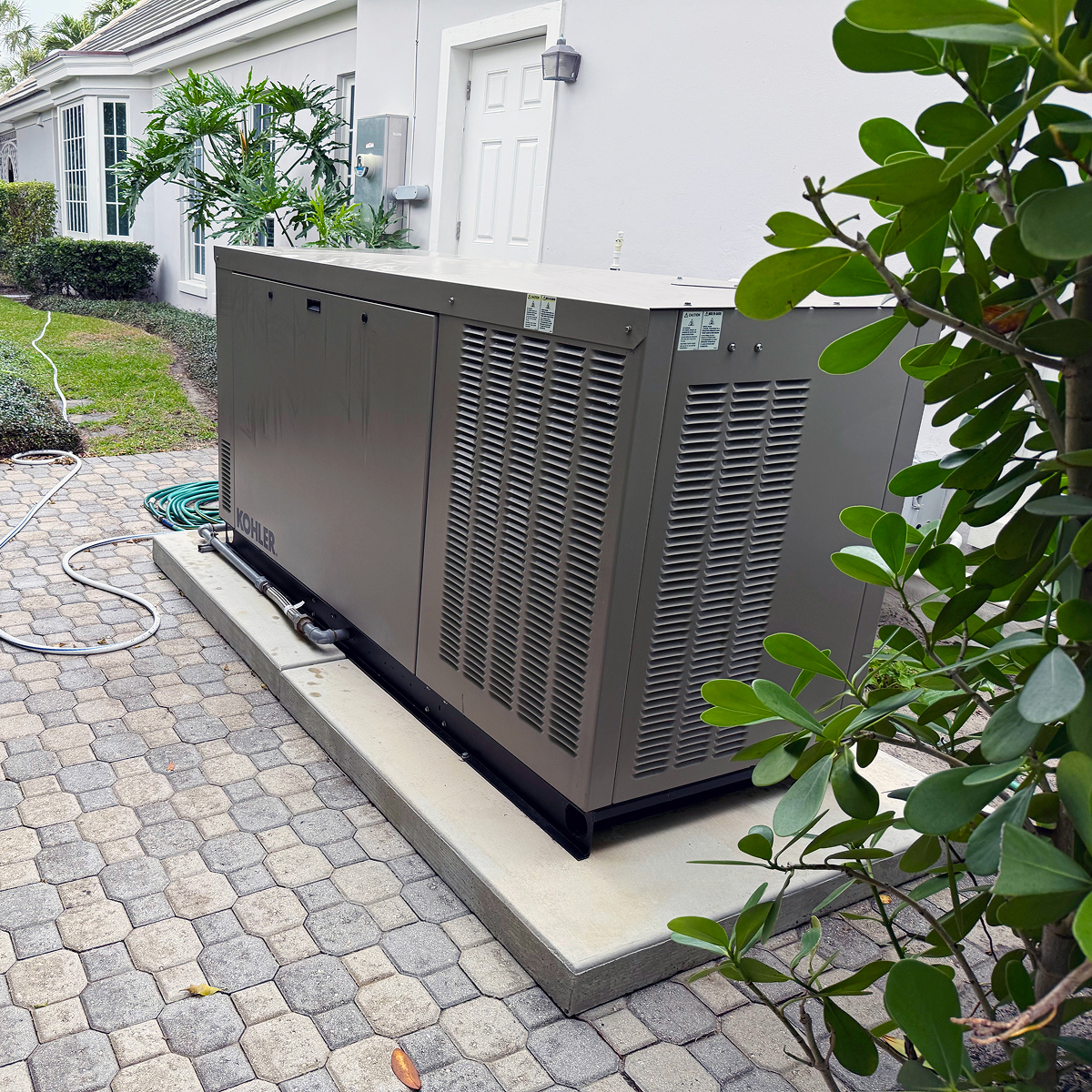
Proper Sizing for Longevity and Efficiency
Choosing the correct generator size is essential for performance and long term reliability. A generator that is too small may struggle under heavy load, while one that is oversized may operate inefficiently.
In many installations generators are sized so they operate around eighty percent capacity during heavy use. This balance helps maintain performance while supporting long term durability.
During the consultation we evaluate your electrical panel, air conditioning systems, and major appliances to determine the appropriate generator size for your home.
Powering Your Load
Homeowners can choose how much of their home the generator powers during an outage. Some systems are designed to run the entire home including air conditioning, while others focus on essential circuits such as refrigerators, lighting, and outlets.
Maximizing Efficiency with Load Shedding
Load shedding allows the system to temporarily pause non essential equipment so the generator can focus power on critical appliances. This can reduce generator size requirements while still maintaining important household systems.
Accurate load calculations are performed during system design to ensure the generator can handle the electrical demand of the home.
Fuel Source Options and Long Term Considerations
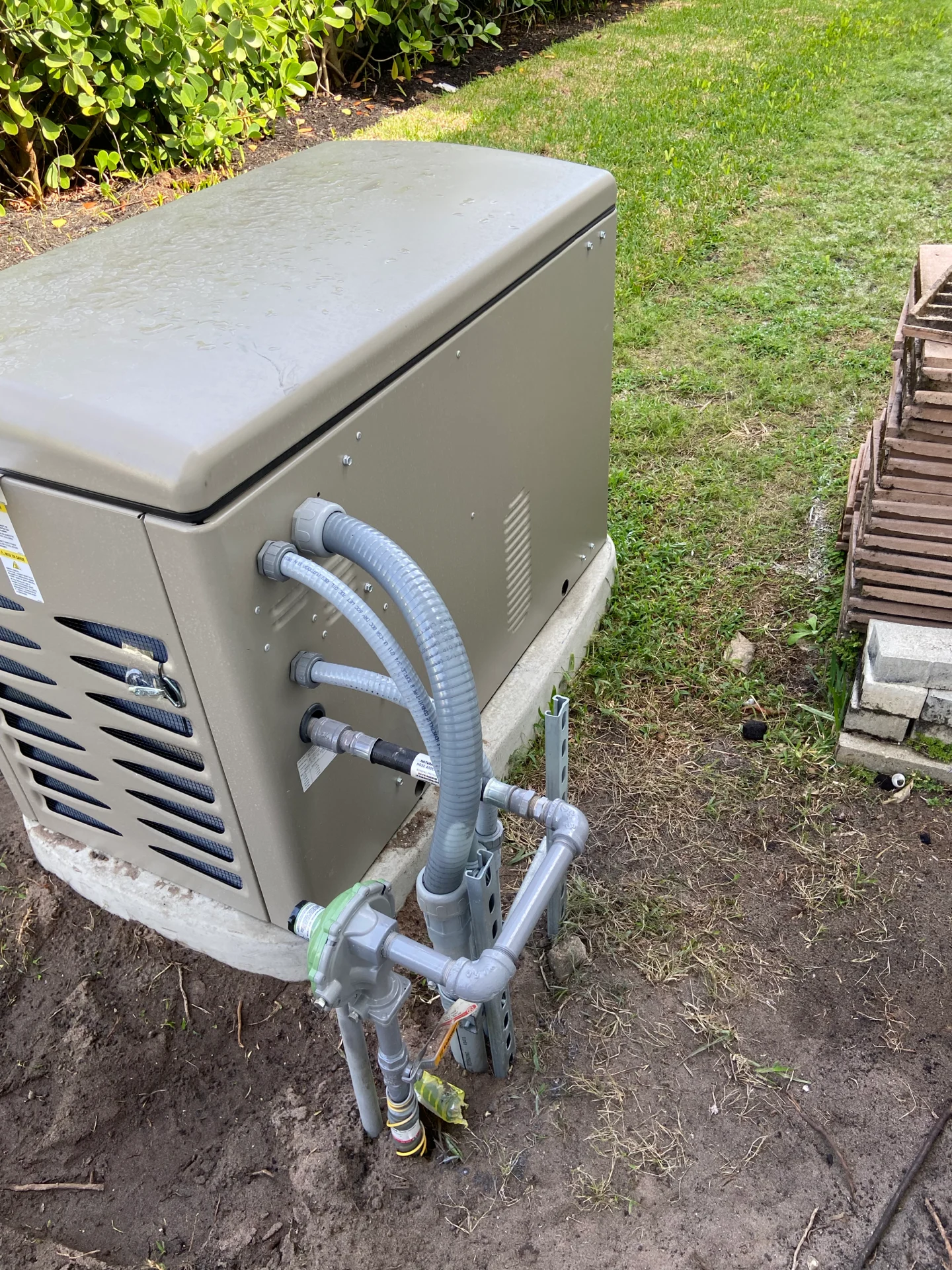
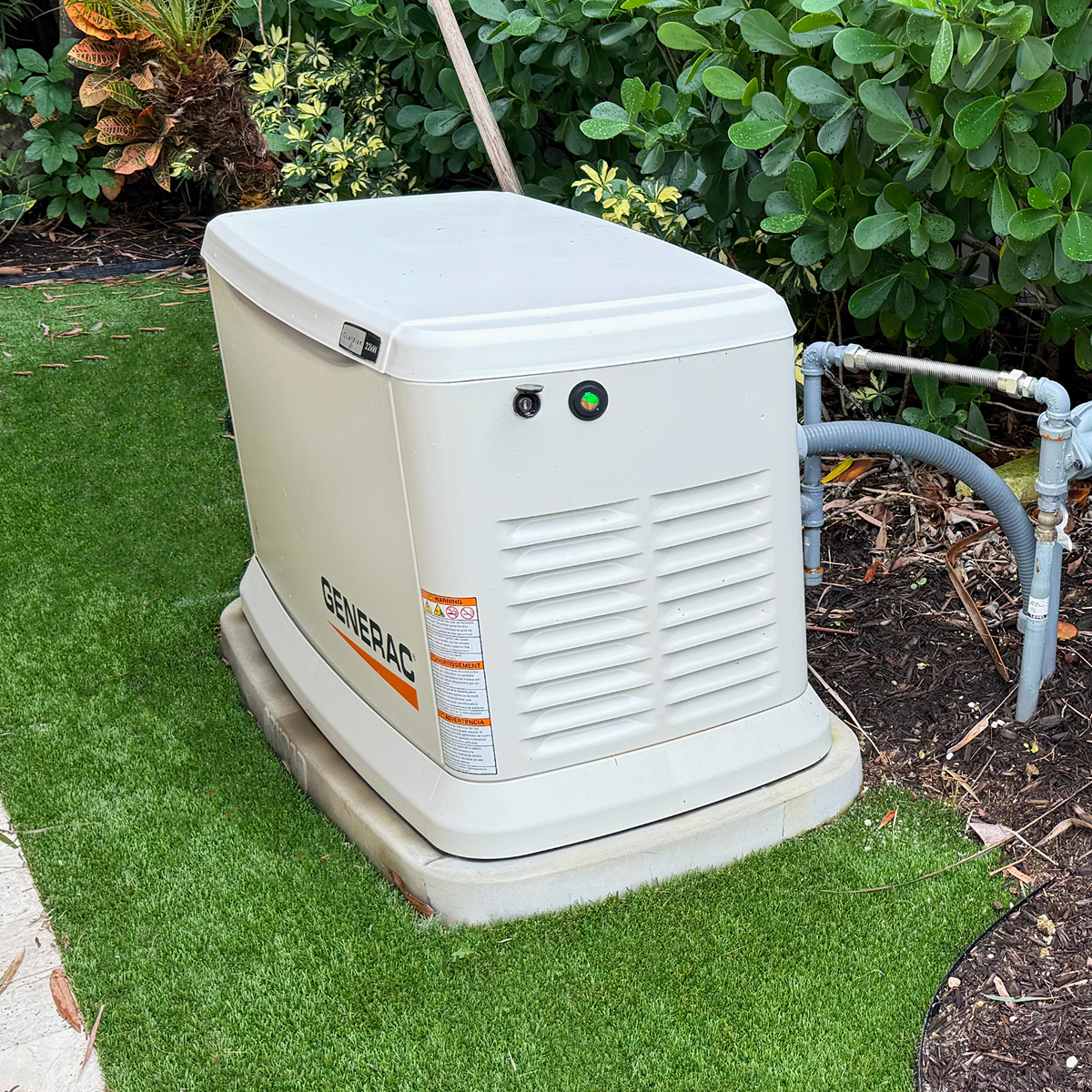
Backup generators can run on several fuel sources depending on the property and available utilities. The most common options are natural gas, liquid propane, and diesel.
Natural gas is often preferred when a gas line is available. Propane is another common option for homes without natural gas service. Diesel systems are sometimes used for larger installations.
Fuel availability, generator size, and expected runtime are all considered during the planning process.
The Importance of Regular Maintenance
Like any mechanical system, generators require routine service to remain ready for emergencies. Maintenance typically includes oil changes, filter replacements, battery checks, and system testing.
Regular service helps ensure the generator starts properly during storms and extended outages.

Financing Available
Flexible financing options to make your generator investment easier. Checking your rate won't impact your credit score.